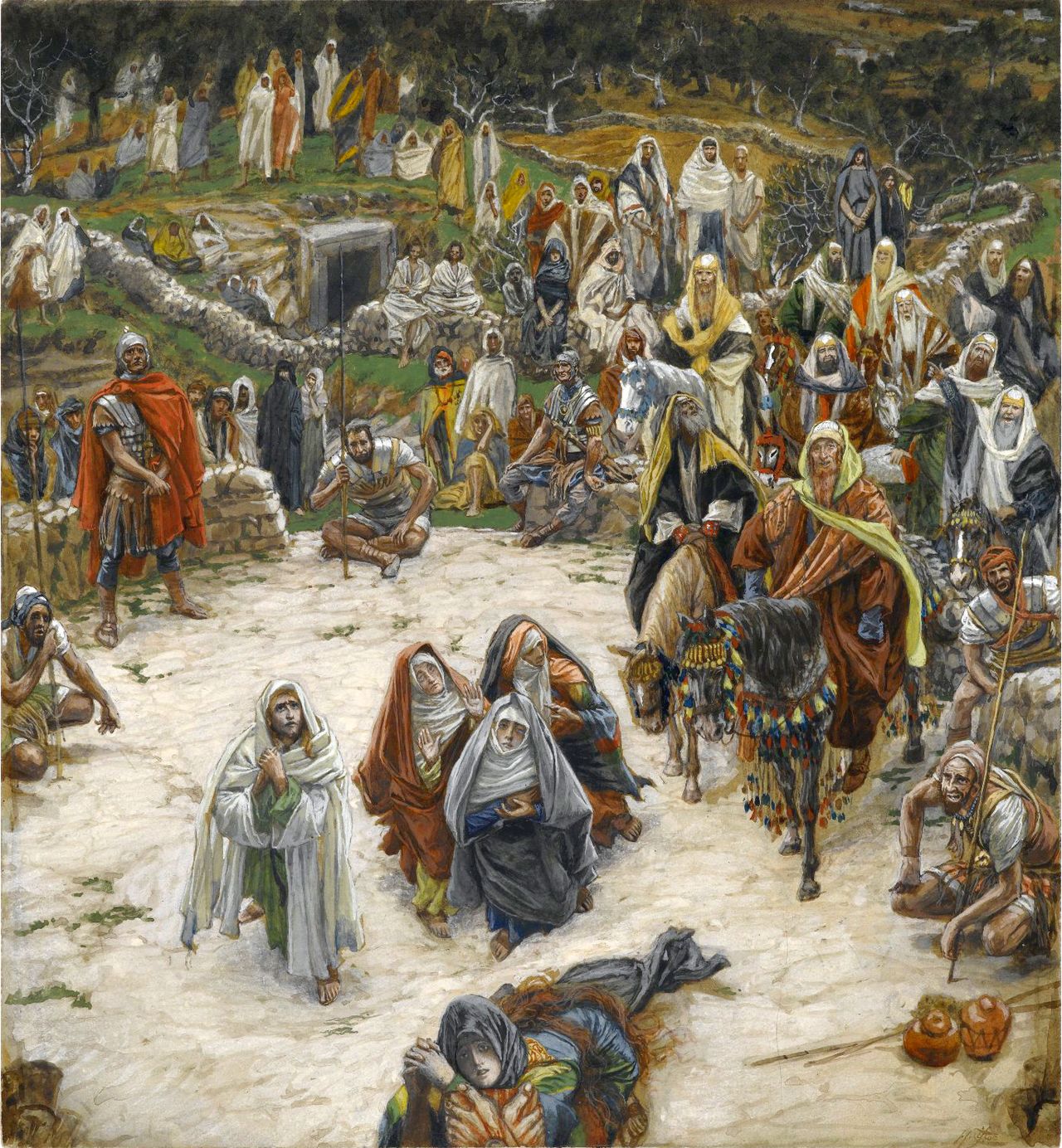
The crucifixion of Jesus Christ stands as the pivotal event in Christian theology, a moment of profound sacrifice and unwavering love. As He endured the agony of the cross, Jesus uttered seven powerful statements that have echoed through centuries, offering timeless wisdom, comfort, and instruction. These 7 Last Sayings Of Christ are not mere historical footnotes; they are windows into the very heart of God, revealing His character, His mission, and His ultimate victory. Each phrase, though brief, carries immense theological weight and practical application for believers today. Delving into these final pronouncements allows us to gain a deeper understanding of His suffering, His purpose, and the enduring legacy He left behind.
Far from being random utterances, these words were deliberate, packed with meaning, and serve as a spiritual roadmap for living a life that honors God. They speak to forgiveness, salvation, compassion, suffering, humanity, completion, and ultimate trust. Join us as we explore the first three of these profound statements, unpacking their context, their significance, and how they continue to shape our faith and actions.
The First Three Sayings: Forgiveness, Assurance, and Compassion
Even in His most excruciating moments, Jesus's focus remained outward – on others, on His mission, and on His relationship with the Father. The initial three sayings from the cross demonstrate a remarkable blend of divine power and human vulnerability, laying the groundwork for understanding the depth of His sacrifice.
1. "Father, forgive them, for they do not know what they are doing." (Luke 23:34)
This inaugural statement from the cross is arguably one of the most astonishing expressions of divine love and mercy ever recorded. As soldiers gambled for His clothes, and crowds mocked Him, Jesus's first words were not a cry of pain or a curse, but a prayer for His persecutors. He forgave those who rejected Him, insulted Him, disbelieved Him despite His miracles, plotted His death, spat on Him, pulled out His beard, beat Him to the point of being unrecognizable, and hammered nails into His hands and feet. He forgave them all – and continues to forgive all who turn to Him now.
Practical Application: The Call to Radical Forgiveness
For us, as followers of Christ, this saying is a profound mandate to emulate His spirit of forgiveness. It challenges us to forgive those who have personally hurt us, regardless of the perceived magnitude of the pain. Peter’s question to Jesus about how many times to forgive (Matthew 18:21-22), and Jesus’s response of "seventy times seven," underlines that forgiveness is not a one-time event but a continuous posture of the heart. This isn't about excusing injustice but releasing the bitterness and resentment that can poison our own souls. It’s a call to look beyond the immediate hurt and acknowledge that often, those who inflict pain are themselves operating from a place of ignorance, brokenness, or spiritual darkness. Embracing this level of forgiveness is liberating, mirroring the very heart of God.
2. "Assuredly, I say to you, today you will be with Me in Paradise." (Luke 23:43)
Amidst His unbearable agony, Jesus remained true to His ultimate mission: to seek and to save that which was lost (Luke 19:10). Flanked by two criminals, one joined the jeering crowd, but the other, in a moment of profound repentance and faith, recognized Jesus's kingship and pleaded, "Jesus, remember me when You come into Your kingdom." In response, Jesus offered immediate and unconditional assurance of salvation.
Practical Application: The Urgency of Salvation and Reaching the Lost
This powerful exchange highlights several crucial truths. Firstly, it underscores the simplicity and immediacy of salvation through faith in Christ, even at the very last moment of life. No elaborate rituals or long years of service were required; only a repentant heart and a cry for mercy. Secondly, it reminds us of Jesus’s unwavering compassion and His readiness to save anyone who genuinely turns to Him, regardless of their past. For those who belong to Christ, this saying fuels our zeal for reaching the lost, inspiring us to share the good news even when faced with rejection, mockery, or persecution. It reinforces the truth that no one is beyond the reach of God's grace, and that the door to paradise is open to all who believe.
3. "Woman, behold your son!" "Behold your mother!" (John 19:26-27)
Even in His extreme physical suffering, Jesus looked beyond His own pain to show deep compassion for someone else – His mother, Mary. Recognizing that His crucifixion would leave her vulnerable and grieving, He entrusted her care to John, the disciple whom He loved. This act speaks volumes about Jesus's human care and concern for His family, particularly His widowed mother. He didn’t want His own unbelieving half-brothers and sisters to care for her, ensuring she was looked after by a faithful follower.
Practical Application: Compassion Beyond Self and Caring for Our Community
This saying is a poignant reminder that true compassion often involves looking beyond our own trials and seeing the needs of those around us. It challenges us to consider that there may be someone going through worse trials and life challenges than ourselves, or simply in need of practical support. Jesus’s example calls us to responsibility within our communities and families, to care for the vulnerable, and to ensure that those we love are provided for. It teaches us to express love and care even when we are suffering, embodying the selfless nature of Christian love that extends to both our immediate family and our spiritual kin. This act of care, performed in His final hours, underscores the importance of human connection and mutual support within the body of Christ.
As we reflect on these first three profound utterances, we begin to grasp the multi-faceted nature of Christ's sacrifice and His enduring legacy. Each phrase is a testament to His divine character and a guide for our own spiritual journey. To delve deeper into the remaining powerful messages, continue to 7 Last Sayings Of Christ - Article 2 and 7 Last Sayings Of Christ - Article 3.